Emergency carpet cleaning Chiswick what to expect from a callout
If a carpet has just been stained, soaked, tracked through after a spill, or hit by an unpleasant accident, the first few minutes matter. That is exactly why people search for Emergency carpet cleaning Chiswick what to expect from a callout: they want to know what happens next, how fast help can arrive, and whether the visit will actually solve the problem rather than just tidy it up on the surface.
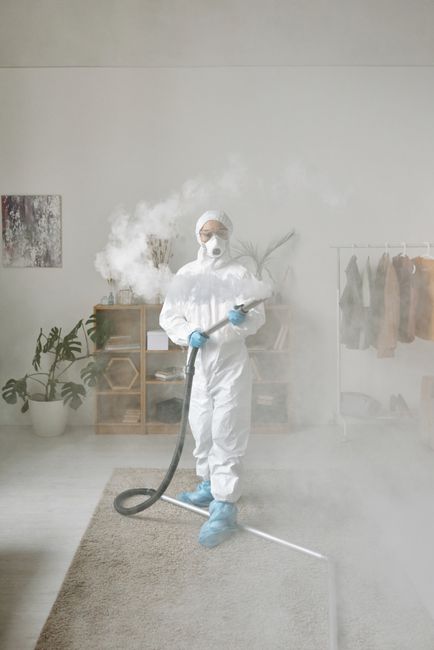
In a proper emergency callout, you should expect calm advice, a quick assessment, the right equipment, and clear guidance on what can realistically be saved. No drama. No mystery. Just a practical plan that gets your carpet back under control as quickly as possible. Below, we break down the process step by step so you know what to expect before anyone even rings the bell.
Why Emergency carpet cleaning Chiswick what to expect from a callout Matters
Carpets look simple, but they hold on to water, dirt, oils, drink spills, pet mess, and all the little bits of daily life you only notice when something goes wrong. In a busy Chiswick home, flat, rental property, or office, an urgent carpet issue can spread quickly if it is left alone. A coffee spill can mark the pile. A pet accident can sink deeper than you think. A leak near a doorway can creep under furniture legs and along the backing.
Emergency cleaning matters because speed changes the outcome. The earlier a stain is treated, the better the chance of lifting it cleanly. The earlier moisture is removed, the lower the risk of lingering odour, backing damage, or that slightly damp smell that seems to cling to the room for days. Let's face it, once a carpet has absorbed liquid, waiting around and hoping for the best is rarely the winning move.
There is also the simple stress factor. When something happens on a Saturday night, after guests have gone home, or just before a landlord inspection, you need clarity fast. A good callout gives you that. It should tell you what can be done today, what may need follow-up treatment, and whether any area needs to be kept off-limits for a while. That reassurance is worth a lot when the carpet is still wet underfoot.
For local households and businesses, urgency also helps protect the rest of the property. Moisture, grime, or contamination can spread from one room to another through foot traffic. A targeted visit keeps the problem contained instead of letting it become a wider cleaning job later. If you are dealing with a broader property issue, services such as deep cleaning or domestic cleaning can also help with the areas around the carpet once the immediate problem has been handled.
How Emergency carpet cleaning Chiswick what to expect from a callout Works
A proper emergency callout is usually more structured than people expect. It is not just "turn up and scrub." Good technicians follow a sequence so they can assess risk, choose the right method, and avoid making the damage worse. That is the sensible way to do it, to be fair.
Typically, the process begins when you call or send an enquiry. You explain what happened, where the carpet is, whether there is standing liquid, and what type of stain or contamination is involved. That first conversation matters. It helps the cleaner decide what kit to bring and whether the job is a fast extraction, a stain treatment, or something that may require extra drying time.
When the cleaner arrives, they should inspect the fibre type, the backing, the extent of the damage, and nearby furnishings. Wool, synthetic fibres, and blended carpets can respond differently. A stain on a hallway runner may need a different touch from a thick lounge carpet. There is no single magic wand here. Human judgement still counts.
After inspection, they normally explain the plan before starting. That may include pre-treatment for staining, hot water extraction, spotting agents, deodorising, or moisture removal. For related carpet care, you can also explore the main carpet cleaning service or the more specialist carpet cleaner page if you want to understand the wider service offering.
A good callout also includes an honest conversation about drying. That part gets overlooked all the time. A carpet may look better almost immediately, but depending on the pile, room ventilation, and how much liquid was involved, it might still need several hours to fully dry. Opening windows, turning on heating sensibly, and keeping traffic down all help.
In some cases, the cleaner may advise that the carpet cannot be fully restored in one visit. Maybe the stain has set. Maybe the underlay has been affected. Maybe there is dye transfer. That is not failure; it is simply the reality of textile cleaning. A trustworthy operator says that plainly instead of promising miracles. You want facts, not theatre.
Key Benefits and Practical Advantages
Emergency carpet cleaning is not only about appearance. It offers a set of practical advantages that can save time, reduce stress, and sometimes prevent a much larger issue later on.
- Faster stain control: Early treatment improves the chance of lifting spills before they bond with fibres.
- Reduced odour: Food, drink, pet accidents, and moisture can create smells that linger if they are not treated properly.
- Less disruption: A focused callout can often isolate the problem to one area instead of turning the whole property into a cleaning project.
- Better protection for the carpet: The right technique can reduce unnecessary wear from over-wetting or harsh scrubbing.
- Clear advice on next steps: You leave the callout knowing what is fixed, what still needs attention, and when the space is safe to use again.
There is also a quiet benefit people appreciate only after the fact: peace of mind. When a professional explains what they are doing and why, the whole situation feels more manageable. You stop guessing. You stop poking at the stain with a towel and making it worse, which happens more often than anyone likes to admit.
For landlords, tenants, and local business owners, an emergency clean can also support a better standard of presentation. A hallway in a rental flat, a reception area, or a meeting room in Chiswick does not need to look perfect forever, but it does need to look cared for. That matters.
Who This Is For and When It Makes Sense
This service is for anyone who needs fast, competent help with carpet damage that cannot wait for a routine booking. In everyday terms, that usually means the problem has happened now, the carpet is visibly affected, or there is a smell, stain, or moisture issue that needs immediate attention.
It is especially useful for:
- homeowners dealing with spillages, pet accidents, or unexpected water ingress
- tenants who need to protect their deposit and keep the property presentable
- landlords or letting agents preparing a property for inspection or new occupants
- office managers who need to limit downtime after a carpet accident
- families with children, pets, or heavy day-to-day foot traffic
There are times when emergency callout makes obvious sense and times when a planned visit is fine. If the mark is dry, faint, and not spreading, you may not need same-day help. But if there is liquid in the pile, an odour developing, or a stain with real set-in risk, waiting can make the job harder and more expensive later. That is the blunt truth.
A small spill in daylight on a weekday? You might have room to breathe. Red wine on a cream hallway runner just before guests arrive? Different story.
For a wider property refresh after the immediate issue is handled, some clients also combine carpet work with sofa cleaning, upholstery cleaning, or even rug cleaning if the same accident affected more than one surface.
Step-by-Step Guidance
If you have never booked an urgent cleaning visit before, the process can feel a little uncertain. Here is the practical version of what usually happens.
- Describe the problem clearly. Say what was spilled, when it happened, how big the affected area is, and whether the carpet is wet or just stained.
- Share any known carpet details. If you know the fibre type, age, or whether the carpet has been cleaned before, mention it. If you do not know, that is fine too.
- Receive a realistic response. A good cleaner will explain whether the job looks urgent, what they may be able to do on the first visit, and any limitations.
- Prepare the area. Move small items if you can, keep pets away, and make sure the cleaner can reach the affected space safely.
- Inspection on arrival. The technician checks the stain, the pile, nearby skirting, and any moisture at the edges.
- Pre-treatment and cleaning. Depending on the issue, they may apply stain treatment, extract moisture, agitate the fibres gently, or deodorise the area.
- Review the result. Expect an honest update. Some marks lift fully, some fade substantially, and some need repeat attention. That happens.
- Drying advice. You should be told how long to avoid the area and what ventilation helps most.
One thing worth saying: if a cleaner rushes straight in without asking questions, that is not a great sign. A few smart questions up front usually lead to a better outcome. Fast does not have to mean careless.
And if they mention a spot test before using a stronger treatment, that is a good sign too. It means they are checking how the fibre reacts instead of assuming every carpet behaves the same. Spoiler: they don't.
Expert Tips for Better Results
In our experience, the best results come when the homeowner or tenant does a few simple things before the cleaner even arrives. Nothing complicated. Just sensible prep.
- Blot, don't scrub. If the spill is fresh, use a clean white cloth or paper towel and press gently. Scrubbing pushes the mess deeper.
- Avoid random household chemicals. A mystery spray from under the sink can cause colour loss or set the stain permanently. Truth be told, this is one of the easiest ways to turn a small problem into a bigger one.
- Keep the area accessible. Move furniture if you safely can, especially light chairs, baskets, or side tables.
- Use ventilation. Open a window a little if weather and security allow. Airflow helps drying.
- Act early. The longer a spill sits, the more likely it is to wick down into the pile or underlay.
- Ask for aftercare advice. The few minutes after cleaning can matter nearly as much as the cleaning itself.
Another useful tip is to take a quick photo of the damage before anyone touches it. Not because you need drama, but because it helps with insurance claims, landlord conversations, or just remembering how the area looked before treatment. Handy, really.
For more general service planning or if you are comparing providers, the company's pricing and quotes information can help you understand how estimates are typically presented, while the about us page can give you a feel for the business behind the service.
Common Mistakes to Avoid
Most carpet emergencies are made worse by well-meaning but slightly panicked first reactions. It happens. You look at the stain, feel the clock ticking, and reach for whatever is closest. Not ideal.
- Rubbing hard with a towel. This can spread the stain and distort the pile.
- Using hot water on the wrong stain. Heat can set certain stains, especially protein-based ones.
- Soaking the area repeatedly. Too much liquid pushes the problem deeper and slows drying.
- Waiting too long. Even a few hours can make a difference with some spills.
- Assuming every carpet is the same. Wool, synthetic, and blended fibres behave differently.
- Ignoring the underlay. If moisture has reached below the surface, the visible carpet may only be part of the issue.
A less obvious mistake is failing to ask what happens next. Will the room be usable tonight? Should shoes stay off the carpet until morning? Will furniture need to stay lifted? These are small questions, but they save a lot of irritation later.
And yes, people do sometimes walk straight across a freshly cleaned carpet because "it looked dry enough." It looked dry enough. That phrase causes more trouble than it should.
Tools, Resources and Recommendations
Emergency carpet cleaning relies on the right equipment, not just elbow grease. A decent callout usually involves a mix of inspection tools, stain treatments, extraction equipment, and drying support.
| Tool or resource | What it does | Why it matters in an emergency |
|---|---|---|
| Moisture extraction equipment | Removes liquid from the carpet pile and, where possible, reduces saturation | Helps limit spread and speeds up recovery |
| Spotting and stain treatments | Targets specific spill types such as drinks, oils, or pet accidents | Improves the chances of lifting the mark without damaging fibres |
| pH-aware cleaning solutions | Supports safe cleaning by matching the chemical balance to the stain and fibre | Reduces risk of colour loss or fibre stress |
| Air movers or ventilation advice | Encourages drying by increasing airflow | Useful when moisture has gone deeper than the surface |
| Protective floor coverings | Keeps traffic off damp areas after treatment | Prevents re-soiling and footprint transfer |
When choosing a provider, practical communication matters just as much as kit. You want clear pricing, sensible response times, and honest explanations. If the issue is part of a larger clean-up, services like one-off cleaning or house cleaning may be useful after the emergency is under control.
For customers who value administration and trust signals, it can also help to review policies such as insurance and safety and payment and security. Those details are not glamorous, but they matter more than people think when a property is damaged and you need reassurance.
Law, Compliance, Standards, or Best Practice
For carpet cleaning, the main point is less about flashy regulation and more about safe, responsible practice. A professional cleaner should work in a way that respects property, occupants, and any relevant risk controls. In practical terms, that means using suitable products, avoiding unnecessary over-wetting, handling electrical equipment carefully, and being upfront about limitations.
If a property has children, pets, elderly residents, or anyone with respiratory sensitivity, it is sensible to ask what products are being used and how long the room should be left to air. Not every situation is the same, and a cautious approach is usually the sensible one.
For businesses and landlords, there may also be broader duties around maintaining safe, habitable, and well-kept spaces. The exact responsibilities depend on the property, the agreement, and the context, so it is best to think in terms of good practice rather than making blanket assumptions. If waste water, packaging, or old materials are removed, disposal should also be handled responsibly. The recycling and sustainability page gives a useful sense of how environmentally aware cleaning choices can be handled.
The bottom line is simple: good practice is visible in the little things. Clear communication. Clean equipment. Safe handling. Respect for your home or business. Nothing fancy, just proper work.
Options, Methods, or Comparison Table
Not every carpet emergency needs the same solution. Some situations are about stain removal. Others are about moisture control. A few require a blend of both. Here is a simple comparison that helps frame the options.
| Method | Best for | Strengths | Limitations |
|---|---|---|---|
| Spot treatment | Fresh spills or isolated marks | Fast, targeted, less intrusive | May not work on deep or set-in stains |
| Extraction cleaning | Wet carpet, liquid spill, or contamination | Removes moisture and residue effectively | Can leave longer drying times if heavily soaked |
| Deodorising treatment | Odour after pets, food, smoke, or moisture | Helps neutralise lingering smells | Works best when the source has already been addressed |
| Full-room carpet cleaning | Wider soiling or multiple affected areas | Improves consistency across the room | May not be necessary for a single small issue |
If you are unsure which route is right, ask the cleaner what they would do first and why. A good answer should be calm, specific, and proportionate. If it sounds vague or pushy, pause. You do not need the most dramatic option; you need the right one.
Case Study or Real-World Example
Picture a fairly ordinary Friday evening in Chiswick. A family is hosting friends, someone knocks over a glass of red wine, and it lands on a lounge carpet near the edge of the room. There is a moment of silence, then a flurry of napkins, awkward laughter, and a lot of staring at the stain. Classic. By the time the room settles, the spill is bigger than first thought and the fibres have already started to darken.
They call for an emergency visit and explain what happened while the mark is still fresh. The cleaner asks a few practical questions: fibre type if known, whether the carpet is wool or synthetic, how long ago the spill happened, and whether any cleaning product has already been used. On arrival, they inspect the pile, test a small area, and apply a suitable stain treatment before extracting the residue.
The visible mark fades significantly. The carpet is still slightly damp afterwards, so the family is told to keep shoes off it and let the room air overnight. The next morning, the area is back to normal enough that most guests would never know. Not perfect magic. Just the right treatment at the right time.
That is the useful lesson here: speed, honesty, and correct technique usually beat panic every time. Even when the result is not flawless, it is often far better than leaving the issue untouched and hoping it sorts itself out. It rarely does.
Practical Checklist
Use this quick checklist before, during, and after a callout. It keeps things simple when your head is a bit all over the place.
- Identify what caused the problem.
- Note the time of the spill or damage.
- Blot gently if the stain is fresh.
- Avoid scrubbing or using random chemicals.
- Keep pets and children away from the area.
- Move small furniture if it is safe to do so.
- Ask whether the cleaner needs access to water or power.
- Confirm likely drying time before the visit ends.
- Find out whether the area can be walked on lightly or should stay clear.
- Take a photo if you may need to reference the damage later.
Expert summary: The best emergency carpet callouts are the ones that start with a clear assessment, use the least aggressive effective method, and finish with honest aftercare advice. Fast is good. Careful is better. Ideally, you get both.
Get a free quote today and see how much you can save.
Conclusion
When you are dealing with a carpet emergency, what you really want is clarity. You want to know who is coming, what they will do, how long it might take, and whether the problem is likely to be sorted properly. That is what a well-run emergency carpet cleaning callout in Chiswick should provide: calm assessment, practical treatment, and honest guidance from start to finish.
If you remember only one thing, make it this: act early, avoid harsh DIY mistakes, and choose a cleaner who explains the plan in plain English. A good callout should reduce stress, not add to it. And once the room is dry, the air feels fresher, the fibres lift again, and the whole place settles back into normal life. Lovely, really.
Frequently Asked Questions
How quickly can an emergency carpet cleaning callout arrive in Chiswick?
Response times vary by workload, time of day, and location, but emergency visits are usually prioritised. The key is to explain the problem clearly so the cleaner can judge urgency and come prepared.
What should I do before the cleaner arrives?
Blot any fresh spill gently, avoid scrubbing, keep people and pets away from the area, and move small items if it is safe. If you can, take a photo of the damage first.
Can all carpet stains be removed in one visit?
No, not always. Fresh stains are more likely to lift well, while older or heat-set stains may only improve rather than disappear completely. A trustworthy cleaner will be honest about that.
Will the carpet be safe to walk on after cleaning?
Sometimes lightly, sometimes not straight away. It depends on how much moisture was used and how fast the carpet dries. You should always ask for clear aftercare advice before the technician leaves.
Is emergency carpet cleaning worth it for a small spill?
If the spill is fresh, colourful, or on a light-coloured carpet, yes, it can be worth it. Small problems can become set-in stains surprisingly quickly, especially in busy homes.
What if the spill has gone through to the underlay?
That may need extra treatment, more drying time, or a follow-up visit. The visible carpet is only part of the structure, so deeper moisture should not be ignored.
Do emergency callouts cost more than normal carpet cleaning?
They can, depending on urgency, timing, and the level of damage. The fairest approach is to ask for a clear quote and understand what is included before confirming the visit.
Can emergency carpet cleaning remove pet odours?
It often helps a lot, especially if the source is treated properly and the carpet is dried thoroughly. Some odours need deeper treatment if they have soaked into the backing or underlay.
What cleaning method is best for a wet carpet?
Extraction is often the most practical option because it removes moisture as well as residue. The exact method depends on the fibre, the amount of liquid, and what caused the issue in the first place.
Should I try to clean a stain myself before booking help?
Only if you can blot it gently and stop the spread. If you are unsure, or if the stain is large, set-in, or on a delicate carpet, it is better not to experiment with random products.
How long does it usually take for the carpet to dry?
Drying time varies widely depending on fibre type, ventilation, and how wet the carpet became. A cleaner should give you a realistic estimate after seeing the damage.
What should I look for in a reliable emergency cleaner?
Look for clear communication, proper inspection, realistic expectations, sensible pricing, and safe working practices. If they seem rushed but cannot answer basic questions, that is usually a bad sign.